A New Coat of Paint
A reintroduction, a memory of my mother and Ozzy.
(originally posted to Substack)
And so, it’s come time for Receive and Star Card to have their separate mailers, now that they’re both up and walking around on their own. Calley and I both had some feelings about this, but agree that it makes good sense. They’re also starting their own substack, and subscribers who’ve been to a show or know us IRL are probably on that list already. Still, couldn’t hurt to check it out!
Meanwhile, I’m going to try messing around with the format – something more than the “Hello, come to a show, thanks,” missives I’ve always been dissatisfied with. I’ll start with this TOC-style list that I’m stealing from the newsletter of game designer Tim Hutchings (maker of really cool games like The Thousand Year Old Vampire and A Collection of Improving Exercises):
- An IRL Engagement
- Notes on Getting Album 2 Together
- RIP Ozzy / In Defense of Late Career Entries
- Thanks
ITEM 1: We have one (1) show this month
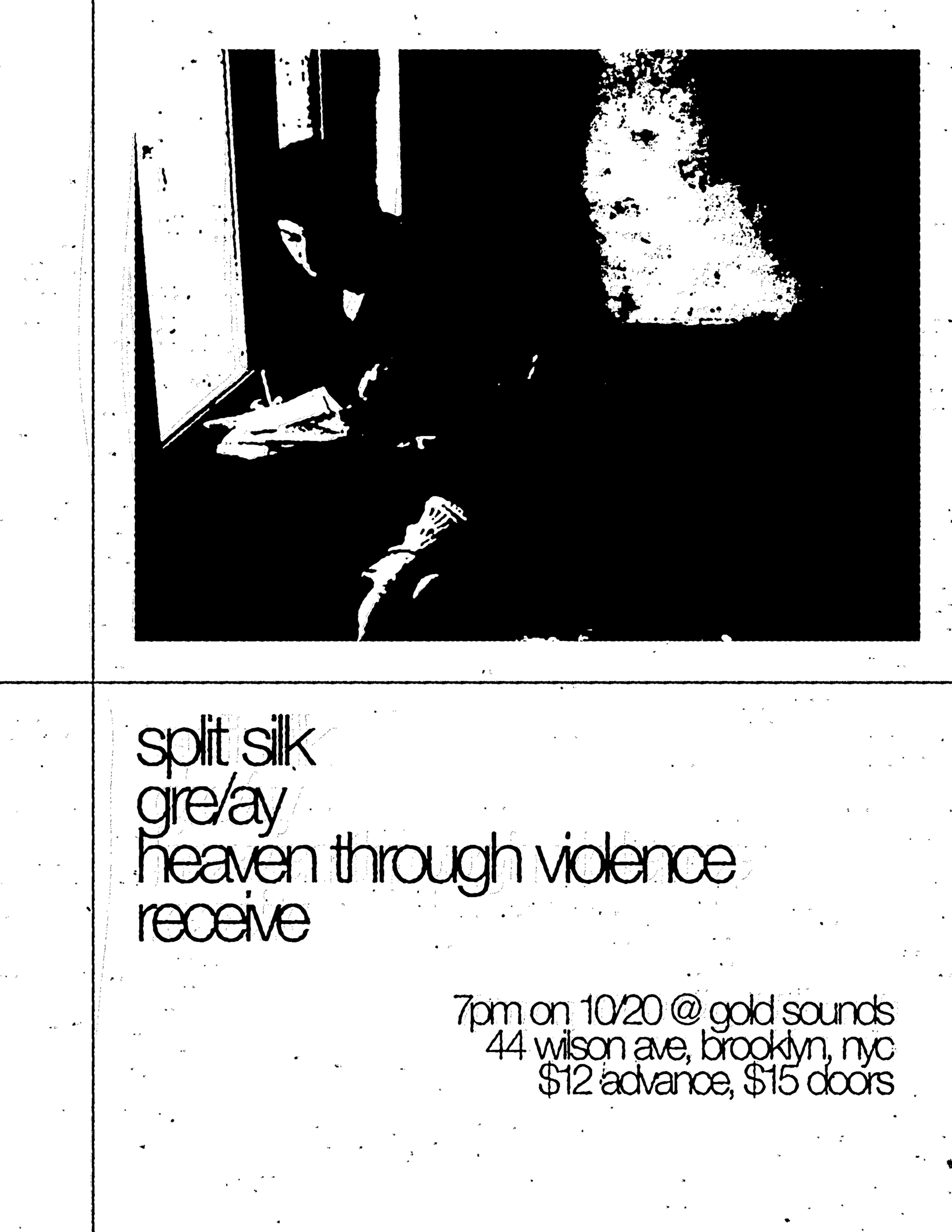
We’re back at Gold Sounds on Monday the 20th, with Split Silk, Gre/ay, and Heaven Through Violence. It’s $12 advance ($12.36 apparently??), or $15 at the door. It would of course be lovely to see you. I’ll be trying out a fancy IEM system I’ve put together, so you can watch me take them out halfway through the set when I realize I’ve some tweaking to do to the system still.
ITEM 2: LP2
Meanwhile, Receive is getting to work on our second album, and we’re simultaneously in the early, middle, and late phases of getting it together.
Late phase: A few songs are already written, and we’ve got the assembly line going with tracking them: Randy is tracking drums in his space down the street from Headless HQ; Brie is tracking bass at home and at Headless; Calley and I are doing the guitars and vocals on top. This part is pretty boring, but after 15 years of wackadoo experimental music, I’m enjoying the blessed routine.
Middle phase: A lot of these tunes are in progress, and some of those we’re working through at practice, while others are being tinkered with in the DAW. This phase is also somewhat routine, a sometimes-blissful-other-times-intense bit of creative legwork.
Early phase: The fun, messy part. I think of it as a kind of scrapbooking. It involves collecting areas of interest (dada, the surrealists of the 20th century), accounts of dreams (flying in an airplane carrying the ocean, making peace with dead family, cleaning a field of mud), ideas / titles / random words (“incline,” “ever,” An Index of the Seventy Three Things, “what if we designed the album cover like one of those classy book covers from Verso or Ugly Duckling”). I’ve learned over time that if I want to survive the middle phase, I have to really load up on stuff in this phase. It feels a bit like setting buckets out to collect rainwater.
Weird bonus phase: I’ve been keeping one eye on the extra-musical stuff that I conjured up and wrote down during quarantine in the early ‘20s. That was kind of when Receive started, and I ended up amassing a huge stockpile of weird divinatory stuff – card interpretation stuff, animal symbolism stuff, even weird esoteric color-cosmology stuff. I never know how to talk about this stuff since it’s kind of far out, but it definitely feeds into the music pretty heavily in a subtle way. Maybe I’ll find a way to get into it here at some point.
ITEM 3: On Ozzy, Late-Career Throwaways, and When Quality Becomes Inappropriate to Discuss
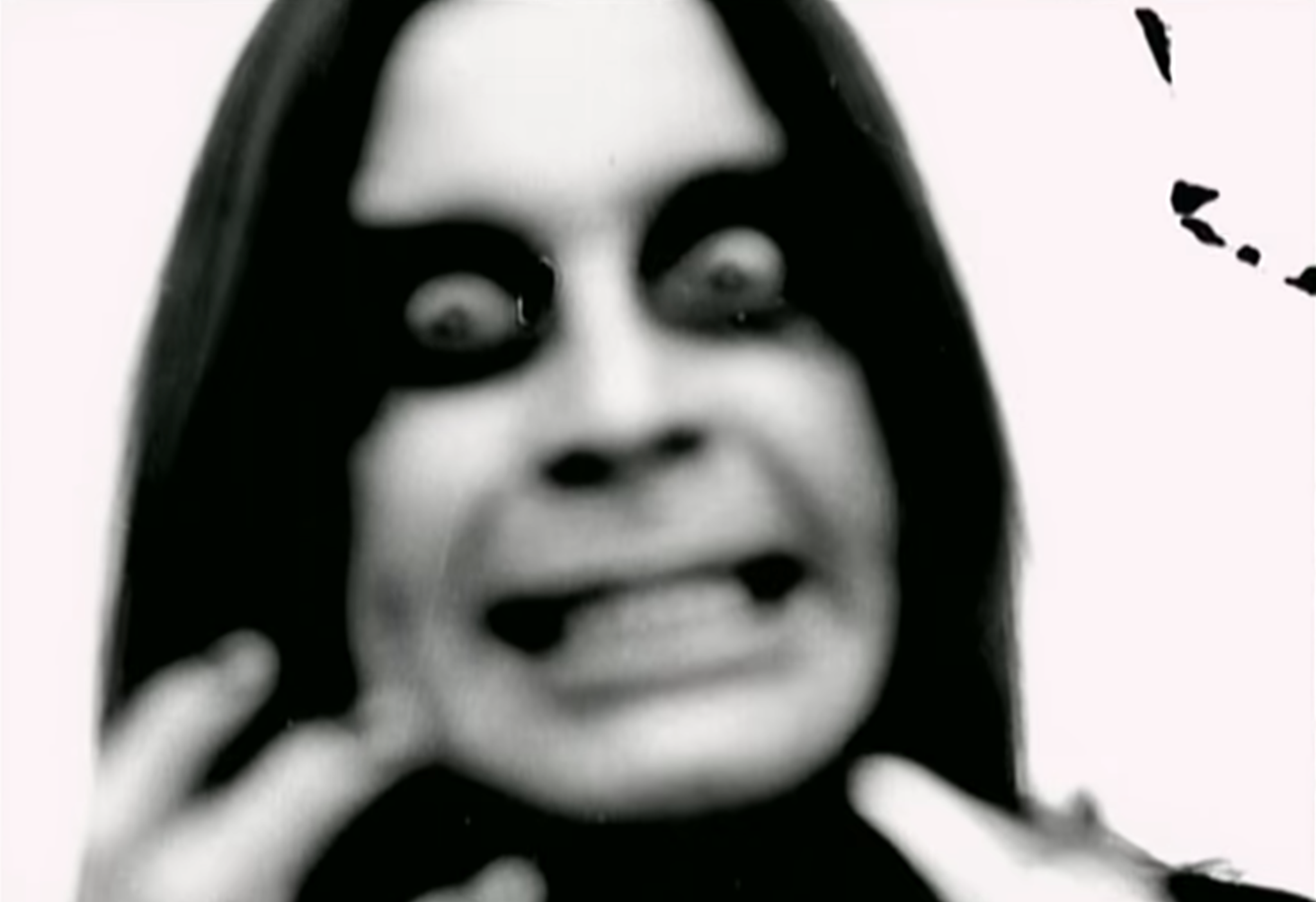
An old middle-school favorite came up on random in my headphones recently: Ozzy’s I Just Want You, off of 1995’s Ozzmosis. I don’t know of anyone making a case for this late-career entry being particularly underrated, but it’s a special one to me, and I think it rips.
It does seem somewhat of a throwaway track – a “gimme,” as Calley calls them. And I can hear that in it. At the same time, to me it’s also moving and carries a great deal of personal meaning, now amplified by the Ozzman’s passing. RIP a true king.
I was 12 when this tune was on MTV. I lived with a single mother afflicted with schizophrenia, unbeknownst to either of us. It impaired our lives in many ways, but she functioned highly enough to keep the household (and my schooling) going. Years later she would be rendered a ghost by her affliction, but at this point she kept our lives afloat, however oddly.
Meanwhile, I had discovered rock and roll by this time, but not so much my mother’s rock and roll. While she played Sabbath and Talking Heads and Hendrix records around the apartment, I was playing Soundgarden and Radiohead and Nirvana in my headphones. More than anything I attribute my disinterest in her vinyl collection to the production – the tunes didn’t sound loud enough compared to what the younger generations were making, and I hadn’t yet learned how to listen for much other than forcefulness.
But, seeing Ozzy’s contemporary singles on MTV and hearing them on 93.7 FM next to my favs was enough to get me to pick up the CD, which got a lot of rotation through my teens, and became a deep-cut-favorite of mine thereafter. My mother and I never bonded over this album specifically, but when I hear it now, I think of her in a way.
I lived with her until I was 14. Now in my 40s, my mother as I knew her then exists only in memory. There are precious few signposts along the trails of those memories, Sabbath being one of them. Mom loved Sabbath, the first metal band.
Fast forward some years and now it’s me making the loud stuff, with my share of peers and collaborators. While we don’t always share creative or technical concerns, one commonality we have is that in each project we undertake, we all reach a point where we come to the conclusion that there is such a thing as “good music,” and that the particular project we’re working on does not fall into that category. This sentiment – “it’s no good” – is regular enough to set your watch by, and strong enough to halt the movement of mountains.
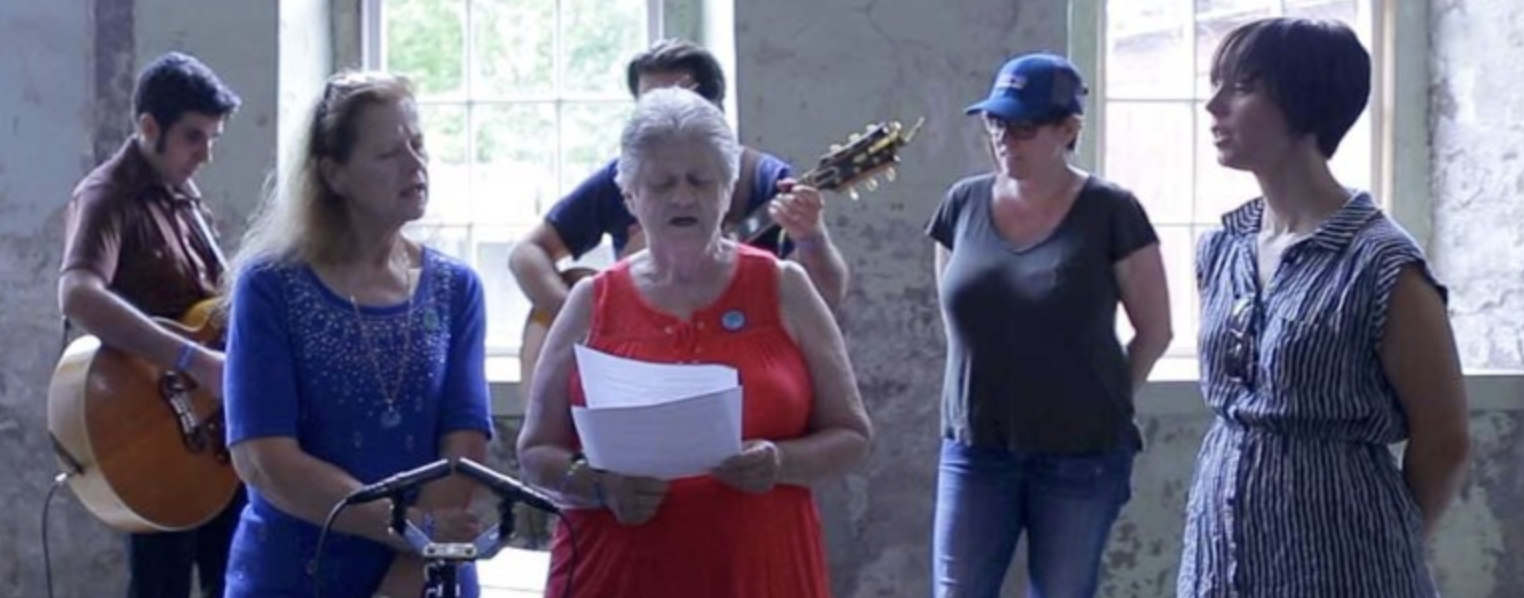
If you’re reading this you probably already know who The Shaggs are, and you probably already know that they were reunited in 2017 to perform at the Solid Sound Festival, curated by Wilco. At the fest they were accompanied by musicians who studied their original, famously idiosyncratic recordings at length, and who painstakingly recreated the unique (i.e. out of tune, out of time, etc.) arrangements of each song as they were recorded in the 1960s. When presented with these arrangements, the Wiggin sisters were confused and disappointed that their mistakes weren’t corrected. On their own songs, they now relied on cues from the accompanying musicians for when to come in. By all accounts, they did not have a great time, but acknowledged that “everybody seems to like [the music] the way it was.”
–
When you ask a musician or listener what they mean by “good,” they’re likely to give you a list of descriptors – compositional, technical, vibey, emotional, spiritual, social, whatever. These descriptors will probably all sound very nice, but it’s worth remembering that they will only truthfully describe maybe 70 or 80% of this person’s own favorite tunes. So, how ‘bout that other 20 or 30%?
I’m as guilty of calling things good or bad as anyone, but I would say it’s just nice to keep in mind that pretty much no one experiences music or culture on a purely technical level, and language like “good” belies that fact. There’s plenty of times I’ve connected with something on the basis of feeling like “that’s some good music right there.” But, just because something is in tune and on time doesn’t make it resonate – that’s all just dressing for the stuff underneath.
I think I prefer to describe that which gets music to stick with us in terms of the experiences we have with it (or those it brings to mind), rather than the qualities it may have. Sometimes those experiences are private and interior, sometimes they’re communal and shared, sometimes they’re remembered and reconstructed, sometimes they’re ongoing and endless.
I like this way of relating to things people make. Maybe it’s not the only way we experience this stuff, but take this aspect away, and you sure lose an awful lot.
Anyway, don’t even get me started on Bowie’s late period.
ITEM 4: Thanks
… for reading all this. Hope to see you out at a show.
cheers,
Brendan